How to cook starts with a simple process: choose what you want to make, read the recipe, gather your ingredients and tools, prepare everything, then use the right cooking method, heat, and timing. Check doneness, adjust the seasoning, and serve. Learning these basics makes individual recipes much easier to understand.
In this Article
The Story & Intro
How I Learned That Good Cooking Starts With the Basics
Hi, I’m Abby Pinkmann, a 36-year-old chef just outside Austin, Texas, and the founder of EAT WELL WELL. Long before I cooked professionally, I learned what home cooking looked like in a big, busy family.
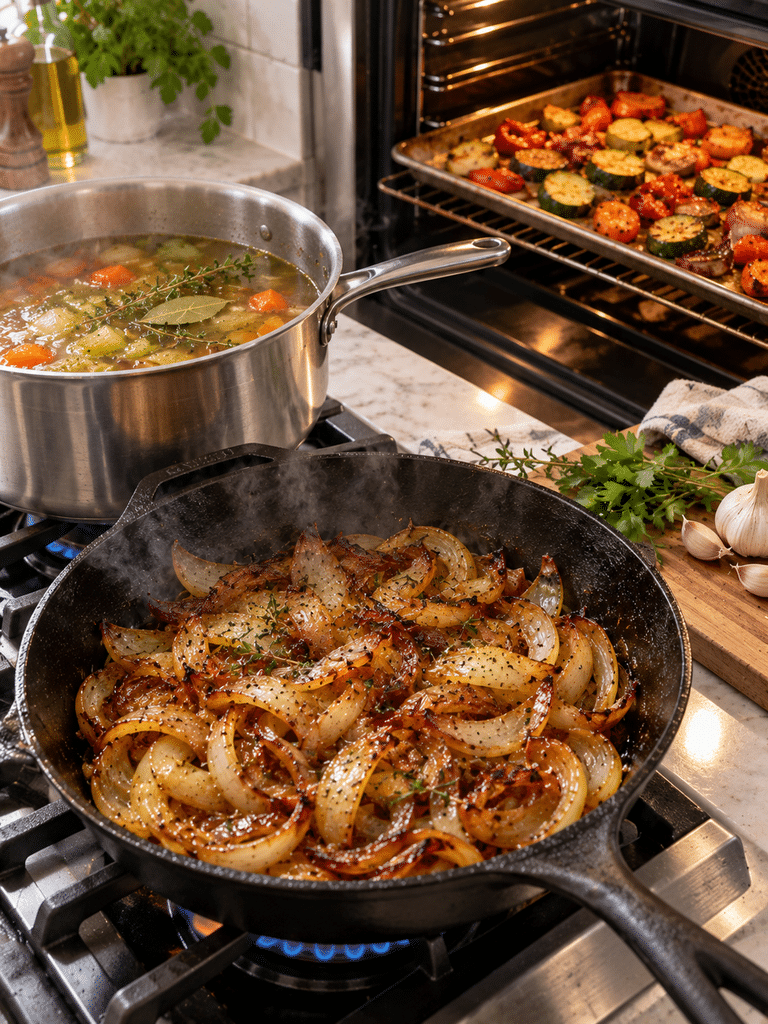
My mom had a knack for turning pantry basics into comforting meals in about 30 minutes. I still think about the sounds and smells of those evenings: onions sizzling in a skillet, vegetables developing golden edges in the oven, and everyone slowly finding their way toward the kitchen as dinner got closer.
She taught me something I still carry into my cooking today. Great food doesn’t have to feel complicated. You need to understand a few basics, pay attention to what your food is doing, and cook it with care.
That idea sits at the heart of my approach at EAT WELL WELL. Cooking has always been my love language, but you don’t need years of kitchen experience to make food you’re happy to put on the table.
Learning how to cook becomes much more manageable when you stop thinking of cooking as hundreds of unrelated recipes. Roasting vegetables teaches you about dry heat. Making stock teaches you about gentle simmering and flavor extraction. An omelette teaches you what a few degrees of heat can do to texture.
Learn the principles, and recipes begin to make more sense.
Who Is This Cooking Guide For?
This guide is for anyone who wants a practical foundation in home cooking. It works especially well if you’re learning to cook, returning to the kitchen after a long break, or trying to understand why certain recipe instructions matter.
Cooking also means more than putting a skillet over a burner.
You might roast, bake, simmer, blend, soak, steep, mix, ferment, freeze, or simply assemble ingredients. Each method changes food differently. Knowing when to use each one helps you get the flavor and texture you want without making the process harder than it needs to be.
KEY TAKEAWAYS: What You Need to Know
- Cooking starts before you turn on the heat. Read your recipe, gather your ingredients, prepare them, and get the right cookware ready.
- Different methods create different results. Roasting can produce browned, crispy edges, while simmering gently cooks ingredients in liquid.
- Heat matters. Temperature affects browning, moisture, tenderness, texture, and doneness.
- Seasoning builds flavor. Salt, acidity, fat, herbs, spices, and aromatics each play a different role.
- Simple foods teach useful skills. Repeating straightforward recipes helps you understand timing, temperature, texture, and ingredients.
- Use your senses. Color, aroma, sound, texture, and temperature give you valuable clues about what’s happening in the pan or oven.
What Are the Basics of Cooking for Beginners?
The basics of cooking for beginners include preparing ingredients, choosing the right cookware, understanding heat, using basic cooking methods, seasoning food, and checking doneness. Start with simple techniques and repeat them. As you cook more often, color, aroma, texture, temperature, and timing become useful guides.
What Are Food Preparation Basics?
Food preparation covers everything you do before and around the actual cooking process. Good prep makes the rest of a recipe easier because you aren’t trying to chop an onion while something else starts burning in the skillet.
Cooks often call this organization mise en place, a French culinary term for putting things in place.
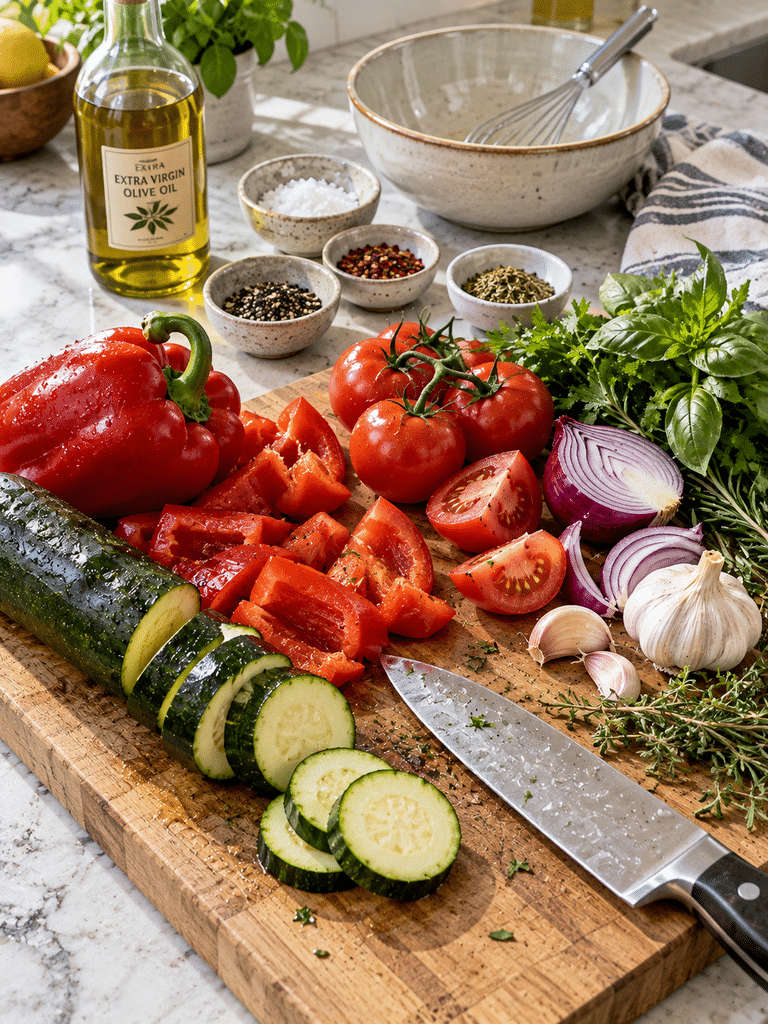
Start by reading the entire recipe. Then wash produce, chop or slice ingredients, measure what you need, and set out your seasonings. If the recipe calls for a hot oven or pan, preheat it at the appropriate time.
A basic kitchen doesn’t need dozens of gadgets. A sharp chef’s knife, sturdy cutting board, skillet, saucepan, sheet pan, mixing bowl, whisk, spatula, tongs, measuring tools, and food thermometer cover a lot of everyday cooking.
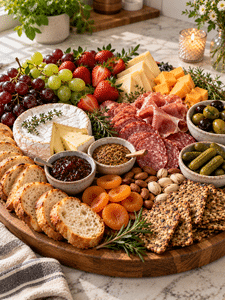
Preparation doesn’t always lead to heat, either. When you make pico de gallo, careful chopping and mixing create the final dish. Learning how to make a charcuterie board relies even more on slicing, arranging, pairing flavors, and balancing textures.
What Cooking Skills Should You Learn First?
Start with skills you’ll use repeatedly rather than techniques you may need once a year.
Learn how to handle a knife with control, measure ingredients when accuracy matters, regulate heat, season gradually, and recognize doneness. Timing matters too. A little planning helps your vegetables reach the table hot instead of finishing 15 minutes before everything else.
Here are five useful places to begin:
| Cooking Skill | What It Helps You Do | Try It With |
|---|---|---|
| Roasting | Create browned surfaces and tender centers with dry oven heat | Roasted vegetables |
| Simmering | Cook gently in liquid while drawing flavor from ingredients | Soup stock |
| Browning | Develop deeper color, aroma, and savory flavor | Caramelized onions |
| Baking | Cook mixtures with steady oven heat | Banana muffins |
| Mixing and emulsifying | Combine ingredients into a balanced mixture | Salad dressing |
How Can You Cook Food? Essential Cooking Methods
You can cook food with dry heat, moist heat, or direct stovetop heat. Roasting and baking surround food with hot air, while simmering cooks it gently in liquid. Other preparations use no cooking heat at all. Blending, soaking, steeping, mixing, freezing, and fermentation can also transform ingredients.
Roasting, Stovetop Cooking, Simmering and Baking
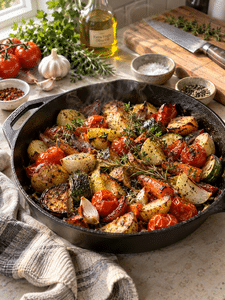
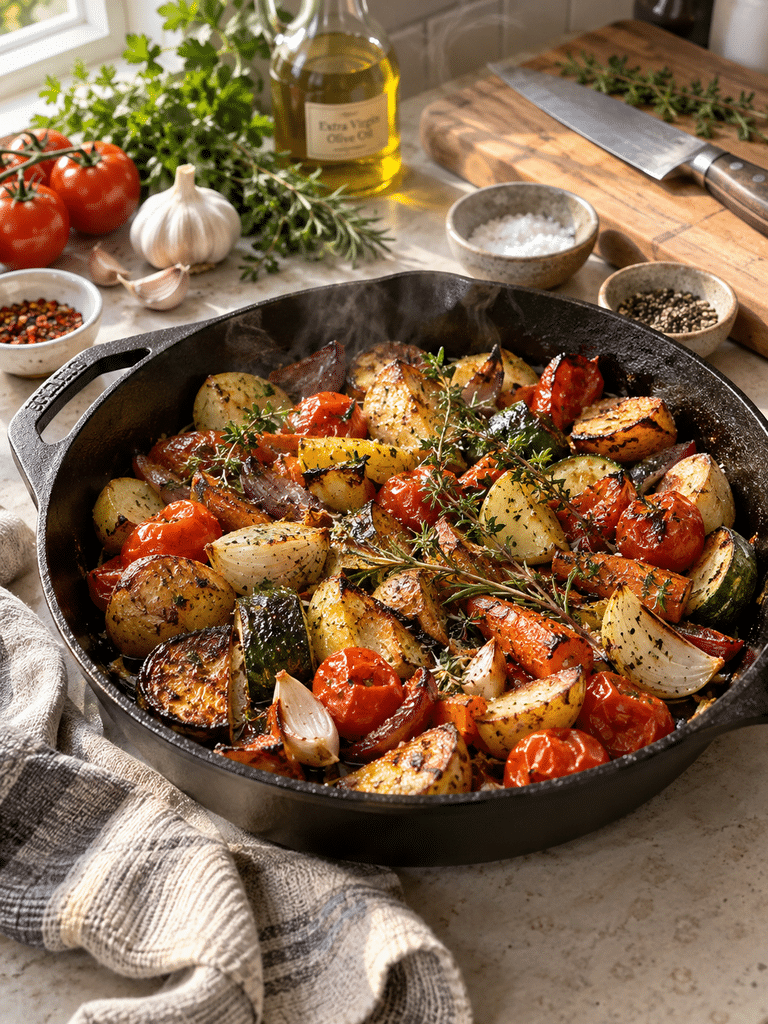
Roasting works beautifully when you want browning. Hot, dry oven air removes surface moisture and helps ingredients develop color. Give pieces enough room on the sheet pan so they roast instead of trapping too much steam. My guide to making roasted vegetables puts that method into practice.
Stovetop cooking gives you immediate control over the heat. That’s useful for delicate foods as well as recipes that need stronger heat.
A French omelette teaches gentle egg cookery and texture control. Stovetop popcorn shows how heat transfers through a covered pan, while caramelized onions demonstrate what patient heat can do to color, moisture, aroma, and flavor.
Simmering takes another approach. Instead of aggressive boiling, you maintain gentler movement in the liquid. It’s particularly useful when you want ingredients to release flavor over time, as they do when you make soup stock.
Baking calls for a little more attention to proportions and oven temperature. If you want a forgiving place to practice, banana muffins teach mixing and baking, while homemade granola bars introduce binding and texture. Even homemade garlic bread gives you useful practice with oven heat, crisp edges, and browning.
What About Foods You Don’t Actually Cook?
Not every homemade food needs a burner or oven.
Soaking chia seeds gives them time to absorb liquid and develop their characteristic texture. You can see the process in my overnight chia guide.
Blending changes texture instead. A smoothie bowl uses frozen or chilled ingredients to create a thick, spoonable consistency, while banana ice cream turns frozen fruit into a creamy treat.
Mixing can also change how ingredients behave together. Learning how to make simple salad dressing introduces the relationship between fat, acidity, seasoning, and agitation.
Fermentation takes more time. A sourdough starter gives you a practical introduction to maintaining a fermented mixture for bread making.
These skills belong in a how to cook guide because becoming comfortable in the kitchen means understanding food preparation as well as heat.
How to Cook Step by Step
What Should You Do Before, During and After Cooking?
A reliable cooking process looks like this:
- Choose your food or recipe. Start with something that suits your available time and current skill level.
- Read the full recipe. Check ingredients, cooking times, temperatures, and any advance preparation.
- Gather ingredients and equipment. Get the pan, knife, bowls, utensils, and ingredients ready.
- Prepare your ingredients. Wash, chop, measure, mix, or season as directed.
- Preheat when needed. Bring your oven, pan, water, or other cooking medium to the required temperature.
- Use the appropriate cooking method. Roast, bake, simmer, sauté, blend, steep, or assemble according to the food.
- Watch the food. Pay attention to time, temperature, aroma, color, sound, and texture.
- Check doneness. Use the recipe’s cues and a food thermometer when food safety requires one.
- Taste and adjust when appropriate. Add salt, acidity, herbs, or other seasoning as needed.
- Serve and store safely. Enjoy the food at its best, then cool and refrigerate leftovers according to safe food-handling guidance.
That sequence may sound formal when you first learn how to cook, but repetition soon makes much of it second nature.
How Do You Know When Food Is Cooked Correctly?
Correct cooking depends on the food and method. Look for the expected changes in color, texture, aroma, temperature, and moisture. Vegetables may become tender with browned edges, baked goods may develop a set crumb, and onions can turn deeply golden. Use a food thermometer whenever safe internal temperature matters.
I use my senses constantly in the kitchen. The smell of onions changes as they brown. Roasted vegetables develop darker edges. Muffins rise, set, and take on a golden surface.
Still, appearance alone cannot tell you whether every food has reached a safe temperature. For meat, poultry, seafood, and other temperature-sensitive foods, follow the current FoodSafety.gov safe minimum internal temperature guidance and check with a food thermometer.
Heat control makes a big difference here. Excessive heat can darken the outside before the center reaches the result you want. Insufficient heat can leave foods pale or change their intended texture. Follow the recipe first, then use sensory cues to understand what’s happening.
How Can I Learn How to Cook at Home?
Start With Simple Foods and Repeat the Techniques
You don’t need to learn twenty cooking methods at once.
Start with one or two straightforward recipes. Cook them again. Notice what happens when the pan gets hotter, when vegetables have more room on a sheet pan, or when you give onions more time.
That’s close to the way I first understood home cooking. My mom didn’t need a complicated menu to feed our busy family. Pantry staples, familiar methods, and a little care could become dinner quickly.
I still think repetition teaches some of the most useful kitchen lessons.
Begin with preparation. Then get comfortable controlling heat. Learn when food looks and feels done. Practice seasoning. After that, combining skills feels far less intimidating.
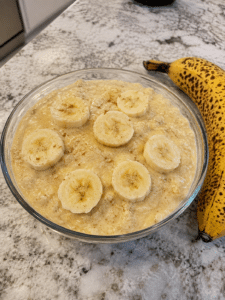
Even something as simple as making banana chips can teach you about moisture, timing, and the difference between a soft texture and a crisp one.
Learn Flavor, Texture and Timing With Everyday Recipes
Cooking becomes more intuitive when you understand what each ingredient or technique contributes.
Salt brings flavors forward. Acidity can add brightness and contrast. Fat contributes richness and carries flavor. Garlic, onions, herbs, and spices build aroma and savory depth. Heat changes moisture, texture, color, and flavor.
Time matters just as much.
A quick cooking method can preserve freshness and texture, while a longer process can soften ingredients or deepen flavor. Neither approach is automatically better. The food and desired result determine the method.
This relationship between ingredients, heat, tools, and technique sits at the center of cooking. You don’t need to memorize culinary science to benefit from it. Pay attention to what changes each time you cook, and those observations become useful knowledge for the next meal.
Homemade Drinks and Foods That Build Kitchen Confidence
What Can You Make Without Complicated Cooking?
Some of the easiest kitchen projects rely on extraction, steeping, blending, chilling, or mixing rather than traditional cooking.
Take drinks. An iced matcha latte teaches you how to mix matcha smoothly before adding milk and ice. Cold brew tea uses time and cool water for steeping.
If you enjoy coffee, cold brew concentrate provides another lesson in extraction and concentration. Fresh fruit gives you a different kind of practice, and homemade guava juice puts blending and straining to work.
These preparations matter because kitchen confidence doesn’t come only from frying, roasting, or baking. Learning how ingredients respond to water, time, agitation, temperature, and chilling builds a broader understanding of homemade food.
Build Your Own Cooking Routine
The best time to use these cooking skills is during everyday life.
Practice blending with breakfast. Make overnight chia when you want something ready for the next morning. Roast vegetables for a weeknight side. Make salad dressing when fresh greens need something bright and savory. Try granola bars or popcorn when you want a homemade snack.
Save longer projects, such as maintaining sourdough starter, for days when you have more time to pay attention to the process.
You can also use assembly skills when friends or family come over. A colorful charcuterie board with creamy cheese, crisp crackers, fruit, nuts, and savory bites gives you a chance to think about balance without spending the entire gathering at the stove.
Over time, these small kitchen habits connect. That’s when cooking starts feeling less like following isolated instructions and more like understanding what your food needs.
Frequently Asked Questions About How to Cook
What are the basics of cooking for beginners?
Start by learning food preparation, safe knife handling, basic cookware, heat control, seasoning, and a few common cooking methods. Read each recipe before starting and prepare your ingredients first. Practice simple foods repeatedly so you can recognize changes in aroma, color, texture, temperature, and doneness.
What are food preparation basics?
Food preparation includes washing produce, peeling or trimming when needed, chopping, slicing, measuring, mixing, seasoning, and arranging ingredients before cooking. It also includes choosing the necessary cookware and preheating equipment when a recipe calls for it. Good preparation helps you follow the cooking process without unnecessary interruptions.
How can I learn how to cook?
Choose a few simple recipes and cook them more than once. Start with basic preparation, then practice roasting, simmering, stovetop cooking, and baking. Pay attention to heat, timing, seasoning, and texture each time. Repetition helps you understand why a method works instead of relying only on instructions.
How can you cook food?
You can cook food through methods such as roasting, baking, simmering, boiling, sautéing, and other forms of stovetop cooking. The right method depends on the ingredient and the result you want. Some homemade foods need no heat and instead use blending, soaking, steeping, mixing, fermentation, or assembly.
How do you cook step by step?
Choose a recipe, read it completely, gather your ingredients and equipment, prepare the ingredients, preheat your cooking equipment when necessary, and follow the correct method and temperature. Monitor the food as it cooks, check doneness, adjust seasoning when appropriate, serve it, and store leftovers safely.
How do you cook correctly?
Follow the recipe closely while learning, use the right cooking method and temperature, and watch for the stated doneness cues. Pay attention to aroma, color, moisture, and texture. When food safety depends on internal temperature, check it with a food thermometer rather than judging doneness only by appearance.
Final Thoughts: Learning How to Cook One Skill at a Time
Learning how to cook isn’t about mastering every technique before you make dinner. It happens one meal and one observation at a time.
Roasted vegetables teach you about browning and dry heat. A French omelette teaches gentle temperature control. Soup stock teaches simmering and extraction. Salad dressing teaches balance. Banana muffins teach measurement, mixing, and baking.
Those lessons start connecting surprisingly quickly.
That’s the approach I carry with me at EAT WELL WELL. My mom showed me that pantry basics and a little care could feed a busy family, and my years in the kitchen have only made me appreciate that lesson more.
Choose one skill that feels useful today. Make something simple. Pay attention to the aroma, texture, color, and temperature as you go.
Then cook it again.