A thai red curry recipe combines red curry paste, coconut milk, chicken, vegetables, and Thai seasonings into a creamy one-pan curry. The dish tastes savory, mildly spicy, slightly sweet, and deeply comforting. Most home cooks serve it with jasmine rice for an easy dinner that feels restaurant-quality without difficult cooking steps.
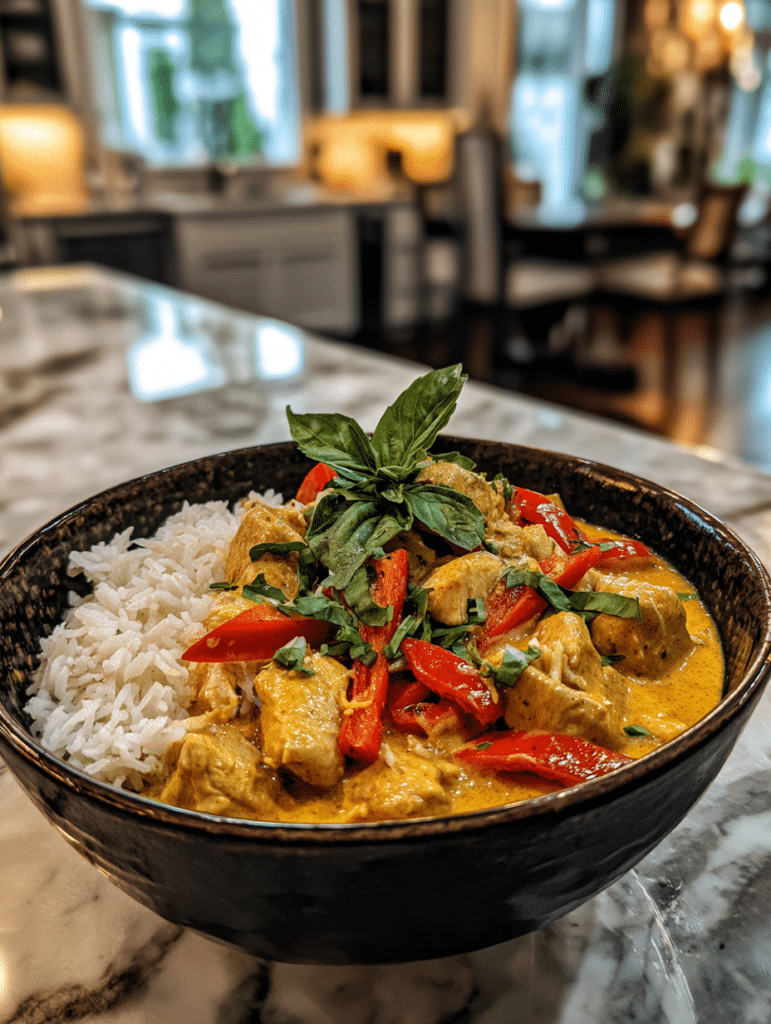
The first time I made thai red curry recipe at home, I was standing in my tiny apartment kitchen after a long workday, craving something warm but not overly complicated. I had coconut milk in the pantry, leftover chicken in the fridge, and a small jar of red curry paste I bought on impulse weeks earlier. Thirty minutes later, the kitchen smelled like garlic, basil, ginger, and warm spices. One bite completely changed my weeknight dinner routine.
That’s still what I love most about this recipe today. It tastes layered and comforting, yet it comes together fast enough for real life.
Hi! I’m Abby Pinkmann, a 36-year-old chef just outside Austin, Texas, and the founder of EATWELLWELL. Cooking has always been my love language. I grew up in a busy household where my mom could turn simple pantry ingredients into meals everyone remembered. That experience shaped the way I cook today. I believe flavorful food should feel approachable, practical, and joyful for everyday people.
This thai red curry recipe reflects that philosophy perfectly. It uses simple ingredients, one skillet, and straightforward cooking methods, but the flavor tastes rich and satisfying enough for guests.
If you enjoy cozy chicken dinners, you may also love this comforting chicken noodle soup recipe for another easy family meal.
In this Article
KEY TAKEAWAYS: What You Need To Know
| Key Point | Details |
|---|---|
| Cooking Time | 30 Minutes |
| Main Protein | Chicken thighs or chicken breast |
| Flavor Profile | Creamy, savory, mildly spicy |
| Best Served With | Jasmine rice or rice noodles |
What Is Thai Red Curry?
Thai red curry is a coconut milk-based curry made with red curry paste, aromatics, protein, vegetables, and fresh herbs. The curry paste usually contains red chilies, garlic, lemongrass, galangal, kaffir lime, and spices that create the dish’s signature flavor.
Unlike heavier curries, thai red curry tastes bright, creamy, and balanced. Coconut milk softens the spice level while still allowing the curry flavors to stand out.
Many people confuse thai curry with Indian curry, but the cooking style and ingredients differ quite a bit. Thai curry relies heavily on fresh herbs, fish sauce, coconut milk, and curry paste. Indian curries often use dried spices and longer simmering methods.
That balance of creamy coconut milk and bold aromatics explains why red thai curry remains one of the most popular Thai dishes worldwide.
Why Is Thai Red Curry So Popular?
People love thai red curry because it checks nearly every box for a great dinner:
- Fast cooking time
- One-pan preparation
- Flexible ingredients
- Rich flavor
- Easy leftovers
- Family-friendly spice level
It also adapts beautifully to different proteins and vegetables. You can make thai red curry with chicken, shrimp, tofu, or beef depending on what you already have at home.
For readers who enjoy hearty comfort meals, this cozy beef stew recipe also works beautifully for colder evenings.
Ingredients For the Best Thai Red Curry Recipe
The best thai red curry recipe uses full-fat coconut milk, authentic red curry paste, chicken thighs, garlic, ginger, fish sauce, brown sugar, fresh vegetables, and basil. These ingredients create a creamy curry with balanced savory flavor and gentle heat.
Essential Ingredients Explained
Red Curry Paste
Red curry paste builds the foundation of flavor. Choose a Thai-style curry paste with chilies, garlic, shrimp paste, and lemongrass for the most authentic taste.
Coconut Milk
Full-fat coconut milk gives thai chicken curry its creamy texture and rich flavor. Light coconut milk works, but the curry tastes thinner and less satisfying.
Chicken
Chicken thighs stay juicy and tender during simmering. Chicken breast works too if you prefer leaner meat.
Fish Sauce
Fish sauce adds savory depth and balance. Even a small amount makes the curry taste fuller and richer.
Brown Sugar
A touch of brown sugar balances spice and saltiness without making the curry sweet.
Fresh Basil
Thai basil adds freshness right before serving. Regular basil still tastes delicious if Thai basil is unavailable.
| Ingredient | Purpose |
|---|---|
| Coconut Milk | Creates creamy texture |
| Red Curry Paste | Adds Thai flavor and spice |
| Fish Sauce | Adds savory depth |
| Thai Basil | Fresh herbal finish |
Readers who enjoy balanced meals may also like these flavorful mediterranean diet recipes.
For another cozy dinner idea, this rich beef stroganoff recipe makes a comforting family meal.
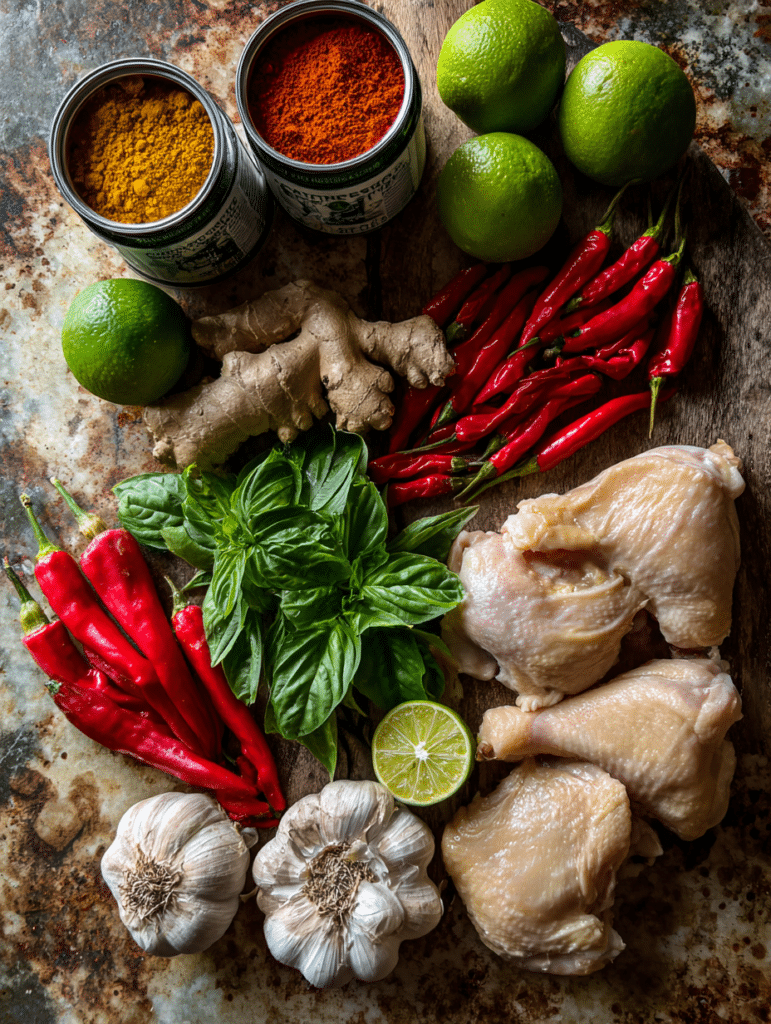
Ingredients
- 1 tablespoon oil
- 3 tablespoons red curry paste
- 4 garlic cloves, minced
- 1 tablespoon fresh ginger, grated
- 1 ½ pounds chicken thighs, sliced
- 2 cans full-fat coconut milk
- 1 red bell pepper, sliced
- 1 yellow bell pepper, sliced
- 1 tablespoon fish sauce
- 1 tablespoon brown sugar
- 1 teaspoon soy sauce
- Juice of 1 lime
- Fresh Thai basil
- Cooked jasmine rice for serving
How To Make Thai Red Curry Step by Step
To make thai red curry, cook curry paste with garlic and ginger first, add coconut milk, simmer chicken until tender, then stir in vegetables and seasonings. Finish with lime juice and basil before serving with rice.
Step 1: Cook the Curry Paste
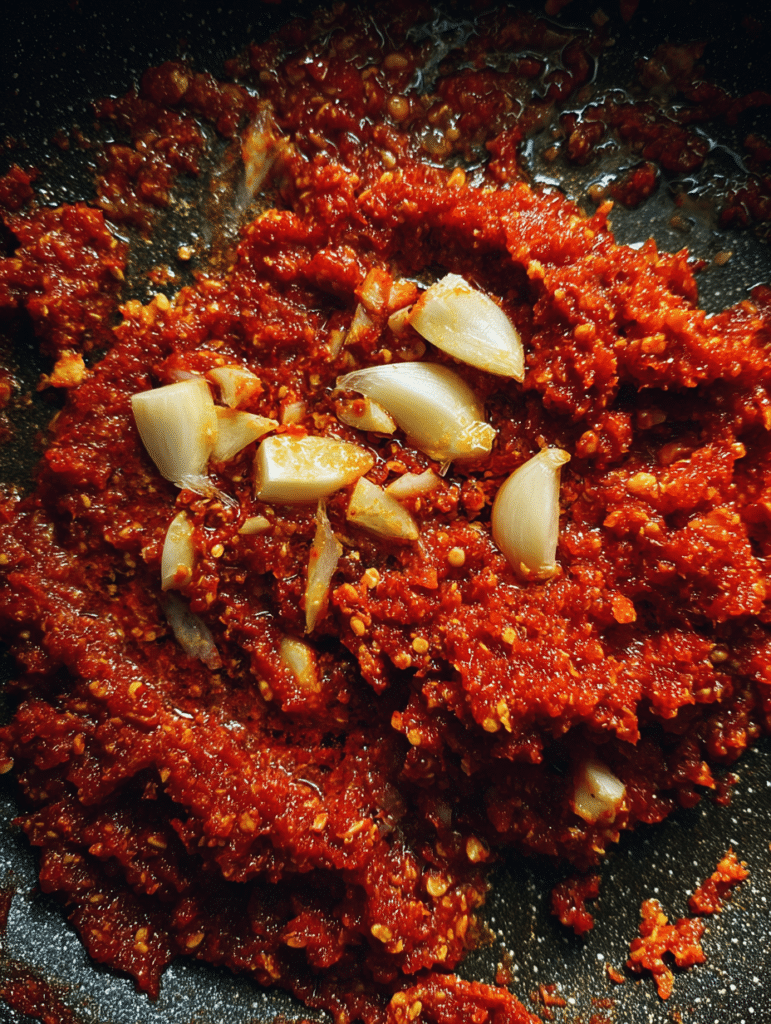
Heat oil in a large skillet over medium heat. Add red curry paste, garlic, and ginger. Stir continuously for about 1 minute until fragrant.
Cooking the curry paste first deepens flavor and helps the spices bloom properly.
Step 2: Add Coconut Milk and Chicken
Pour in coconut milk slowly while stirring. Add sliced chicken and bring the curry to a gentle simmer.
Cook for about 10 to 12 minutes until the chicken becomes tender and fully cooked.
Avoid boiling aggressively because coconut milk can separate if overheated.
Step 3: Add Vegetables
Stir in sliced bell peppers and continue cooking for 4 to 5 minutes. The peppers should stay slightly crisp for better texture.
Add fish sauce, soy sauce, brown sugar, and lime juice.
Taste and adjust seasoning if needed.
Step 4: Finish and Serve
Turn off the heat and stir in fresh basil leaves.
Serve hot over jasmine rice.
If you enjoy creative comfort-food combinations, these crispy hash browns in the air fryer make a fun side dish.
You can also pair dinner with these shredded hash browns in air fryer for an extra crunchy addition.
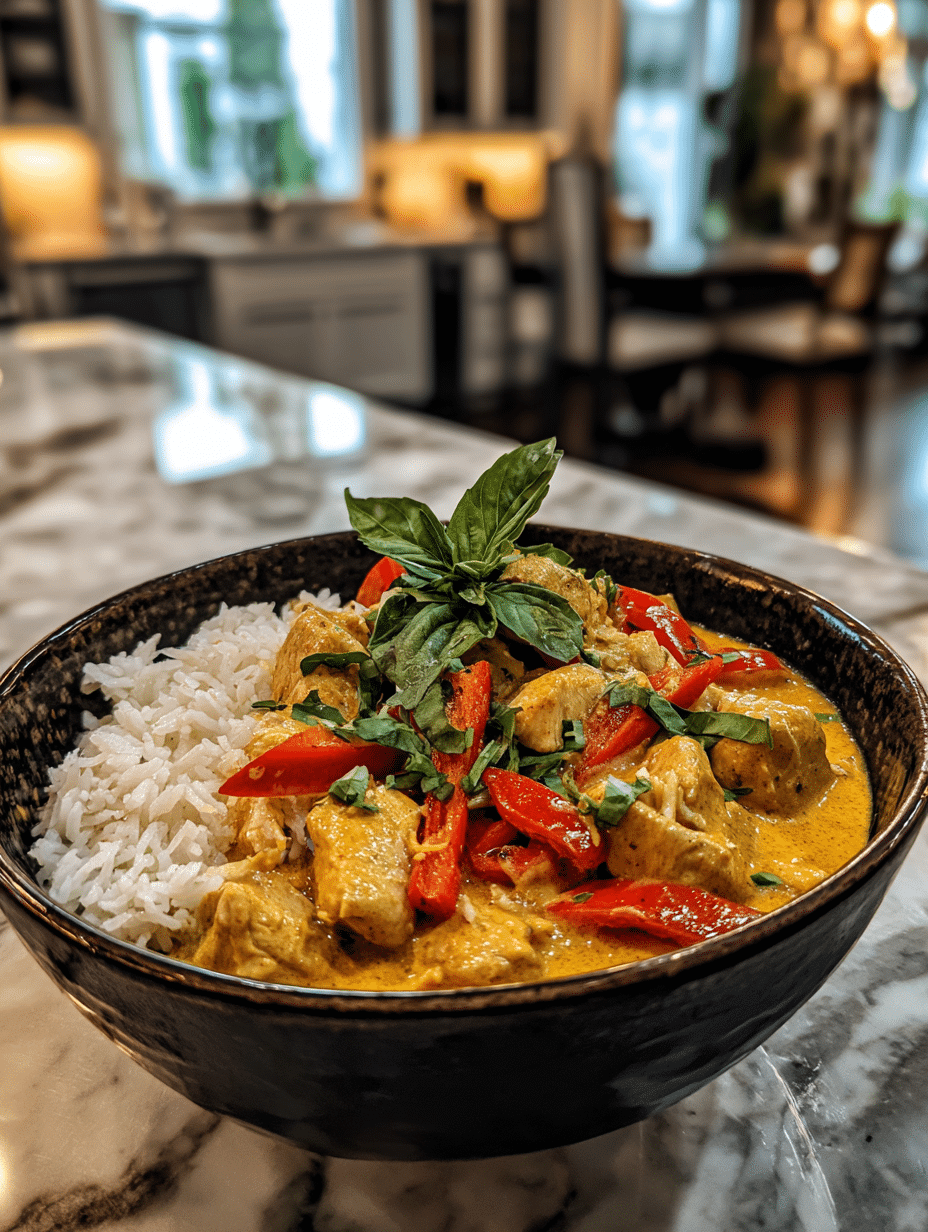

Thai Red Curry Recipe
Ingredients
Equipment
Method
- Heat oil in a large skillet over medium heat. Add red curry paste, garlic, and ginger. Stir continuously for about 1 minute until fragrant.
- Pour in the coconut milk slowly while stirring to combine smoothly with the curry paste.
- Add the sliced chicken thighs and bring the curry to a gentle simmer. Cook for 10 to 12 minutes until the chicken is fully cooked and tender.
- Stir in the sliced red and yellow bell peppers and cook for 4 to 5 minutes until slightly tender but still crisp.
- Add fish sauce, brown sugar, soy sauce, and lime juice. Stir well and taste to adjust seasoning if needed.
- Turn off the heat and stir in the fresh Thai basil leaves.
- Serve hot over cooked jasmine rice.
Notes
Tips For Making Restaurant-Style Red Thai Curry
Restaurant-style thai red curry tastes rich, balanced, and deeply flavorful because the curry paste cooks properly before adding liquid, the coconut milk stays creamy, and the seasoning balances salty, sweet, spicy, and acidic flavors together. Small cooking details make a major difference.
One of the biggest lessons I learned while testing this thai red curry recipe came from making it repeatedly for friends and family dinners. The first versions tasted good, but they did not have that same smooth, layered flavor you expect from a great Thai restaurant. Once I started slowing down during a few key moments, especially while cooking the curry paste, everything changed.
Now this recipe stays in regular rotation at our house because it tastes comforting without requiring hours in the kitchen.
Common Mistakes to Avoid
Using Low-Fat Coconut Milk
Low-fat coconut milk often creates watery curry. Full-fat coconut milk gives thai chicken curry its creamy texture and rich flavor.
If you want lighter curry, add more vegetables instead of switching coconut milk varieties.
Skipping the Curry Paste Step
Many home cooks add curry paste directly into liquid. That shortcut weakens flavor.
Cooking the curry paste in oil with garlic and ginger helps the aromatics release fully. Even one extra minute makes the curry taste deeper and more balanced.
Overcooking Vegetables
Bell peppers should stay slightly crisp. Soft vegetables can make red thai curry feel heavy instead of fresh.
Add vegetables near the end of cooking for better texture and color.
Adding Too Much Fish Sauce
Fish sauce adds savory depth, but too much can overpower the curry quickly.
Start small, taste carefully, and adjust gradually.
How To Adjust Spice Level
Thai red curry works well because it adapts easily to different spice preferences.
| Spice Level | Adjustment |
|---|---|
| Mild | Use 1 to 2 tablespoons curry paste |
| Medium | Use 3 tablespoons curry paste |
| Spicy | Add sliced Thai chilies |
Adding extra lime juice can also balance heat naturally without changing the overall flavor too much.
If your family enjoys cozy slow-cooked meals with rich flavor, this comforting beef stew slow cooker recipe makes another satisfying dinner option.
Readers who enjoy hearty comfort food may also love this classic crockpot beef stew.
Can You Make Thai Red Curry Ahead?
Yes, thai red curry stores very well and often tastes even better the next day because the flavors continue blending together. Proper storage keeps the curry creamy and flavorful for quick lunches and dinners later in the week.
Refrigerating Thai Chicken Curry
Store cooled curry in an airtight container for up to 4 days in the refrigerator.
The flavors usually deepen overnight, making leftovers especially delicious.
Reheating Tips
Warm the curry gently over medium-low heat.
Avoid high heat because coconut milk can separate if overheated too quickly.
If the curry thickens in the fridge, stir in a splash of water or coconut milk while reheating.
Can You Freeze Thai Red Curry?
Yes. Freeze the curry in sealed containers for up to 2 months.
For best texture, freeze before adding fresh basil.
Is Thai Red Curry Healthy?
Thai red curry can fit into a balanced eating plan because it includes protein, vegetables, herbs, and satisfying fats from coconut milk. Portion size and ingredient choices help keep the meal balanced while still tasting rich and comforting.
One reason I continue making this thai red curry recipe regularly is because it feels satisfying without relying on overly complicated ingredients. You get protein from chicken, vegetables for freshness, and bold flavor from herbs and aromatics instead of heavy sauces.
That balance matters in real everyday cooking.
Nutritional Benefits of Thai Chicken Curry
Protein for Filling Meals
Chicken provides protein that helps make the meal satisfying and practical for busy evenings.
Vegetables Add Freshness and Texture
Bell peppers, basil, garlic, and ginger add color and flavor while helping the dish feel lighter and fresher.
Coconut Milk Creates Satisfaction
Coconut milk contains fat, which helps the curry taste rich and comforting in moderate portions.
According to the USDA nutrition guidance through MyPlate, balanced meals that include vegetables, protein, and grains can support healthy eating habits.
Readers interested in balanced meal planning may also enjoy this practical mediterranean diet food list.
For another cozy dinner option, this hearty beef barley soup recipe works beautifully during colder months.
What Is the Difference Between Thai Curry and Indian Curry?
Thai curry usually uses curry paste, coconut milk, fresh herbs, and quick cooking methods.
Indian curry often uses dried spices, tomatoes, yogurt, and longer simmering techniques.
Both styles taste delicious, but thai red curry delivers a brighter and creamier flavor profile.
Readers can learn more about Thai curry history and regional cooking styles on Wikipedia
Frequently Asked Questions
Is Thai red curry spicy?
Thai red curry has moderate heat from red chili peppers, but coconut milk softens the spice level and creates a creamy balance. Most homemade thai red curry recipes taste mildly spicy and easy to adjust. Add extra curry paste for more heat or extra coconut milk for a milder version.
What protein works best in thai red curry recipe?
Chicken thighs work best because they stay tender and juicy while simmering in coconut milk. Chicken breast also works well for a leaner option. Many people also use shrimp, tofu, or thinly sliced beef in red thai curry.
Can I make thai red curry without fish sauce?
Yes. Soy sauce or coconut aminos work well as substitutes for fish sauce in thai chicken curry. The flavor changes slightly, but the curry still tastes rich, savory, and balanced.
What vegetables go well in red thai curry?
Bell peppers, carrots, bamboo shoots, zucchini, spinach, snap peas, mushrooms, and green beans all work beautifully in thai red curry. Use vegetables that stay slightly crisp after simmering for the best texture.
How long does thai chicken curry last in the fridge?
Thai chicken curry stays fresh for up to 4 days when stored in an airtight container in the refrigerator. Reheat gently on the stovetop over medium-low heat to keep the coconut milk smooth and creamy.
What is the difference between red curry and green curry?
Red curry uses red chilies and usually tastes slightly richer and sweeter. Green curry uses green chilies and fresh herbs, creating a brighter and sharper flavor. Both curries use coconut milk and Thai aromatics.
Reader Testimonials
“I made this thai red curry recipe on a busy Tuesday night, and my family asked for seconds immediately. The flavor tasted just like our favorite Thai restaurant.” — Melissa R., Dallas
“I loved how simple the instructions felt. The coconut milk and basil made the whole kitchen smell incredible.” — Jordan T., Phoenix
“This recipe helped me finally feel comfortable cooking Thai food at home. I already saved it for next week.” — Amanda L., Nashville
Conclusion: Why This Thai Red Curry Recipe Belongs in Your Dinner Rotation
This thai red curry recipe delivers everything most home cooks want from dinner. It tastes rich and comforting, cooks in one pan, and comes together fast enough for real weeknights. The creamy coconut milk, tender chicken, bold curry paste, and fresh basil create balanced flavor that feels satisfying without requiring difficult cooking techniques.
I also love how flexible this recipe becomes once you make it a few times. You can swap vegetables, adjust spice levels, change proteins, or prepare it ahead for busy days. That flexibility makes thai chicken curry one of the most practical comfort meals in my kitchen.
At EATWELLWELL, I always come back to recipes that feel approachable while still tasting memorable. This dish does exactly that. It brings warmth, comfort, and bold flavor to the dinner table using simple ingredients most people can find easily.
If you enjoy hearty comfort meals, you may also love this cozy beef bourguignon or this rich beef barley soup recipe for another satisfying dinner option.
Try this red thai curry recipe once, and there’s a good chance it becomes part of your regular dinner rotation too.

I will give it a try for sure, I love Asian Cuisine