Honey recipes combine honey with everyday ingredients like cinnamon, lemon, ginger, herbs, and spices to create flavorful homemade mixtures inspired by traditions from around the world. This guide explains what these recipes are, why people enjoy them, how to prepare them, and where to find detailed versions for every variation.
My Story
Honey has always had a place in my kitchen. Growing up in a busy family just outside Austin, Texas, I watched my mom reach for a jar of honey whenever she wanted to add natural sweetness to tea, homemade dressings, marinades, or simple desserts. She believed the best recipes didn’t need complicated ingredients—just thoughtful combinations made with care.
That lesson stayed with me.
Today, here at EAT WELL WELL, I still enjoy experimenting with traditional ingredients that have appeared in family kitchens for generations. Honey remains one of my favorites because it pairs beautifully with fruits, spices, herbs, and warm drinks. Over the years, I’ve also noticed how many traditional honey recipes continue to spark curiosity online, with people sharing family versions and regional variations from all over the world.
This guide brings many of those recipes together in one place. Whether you’re simply curious about a popular honey trick you’ve seen online or you’re looking for a new way to enjoy honey in your own kitchen, you’ll find everything organized here.
In this Article
Key Takeaways
- Honey recipes have been shared across many cultures for generations.
- Most recipes combine honey with common pantry ingredients.
- Traditional blends vary by region, family, and culinary tradition.
- This guide connects every honey recipe published on EAT WELL WELL.
- Each recipe page provides step-by-step instructions and additional details.
- Honey should never be given to infants younger than 12 months, according to the Centers for Disease Control and Prevention.
Why Are Honey Recipes So Popular?
Honey recipes remain popular because they are simple to prepare, use familiar ingredients, and reflect traditions passed through generations. Many people enjoy experimenting with different combinations of honey, spices, herbs, and fruits, making these recipes both approachable and versatile for everyday use.
Long before recipe videos and social media trends, families were mixing honey with ingredients already sitting in the pantry. Every culture seems to have its own favorite combination. Some recipes focus on warming spices, while others pair honey with citrus, herbs, or aromatic roots.
One reason these recipes continue to attract attention is their simplicity. Most require only a handful of ingredients and very little preparation. They also allow endless customization based on personal taste.
Throughout this guide, you’ll discover every honey recipe currently available on EAT WELL WELL, making it easy to explore whichever version interests you most.
For readers interested in the history and production of honey itself, Wikipedia offers a helpful overview.
You’ll also find food safety guidance from the U.S. Centers for Disease Control and Prevention regarding honey and infants.
What Are Honey Recipes?
Honey recipes combine pure honey with ingredients like cinnamon, ginger, lemon, herbs, or spices to create flavorful homemade mixtures. Some recipes come from family traditions, while others became popular through books, television, or social media. They are easy to prepare and often use ingredients already found in most kitchens.
Honey has earned a lasting place in kitchens around the world. Its natural sweetness, smooth texture, and ability to blend with countless ingredients make it one of the most versatile pantry staples. While people often think of honey as a sweetener, it has also inspired generations of homemade recipes that combine familiar ingredients into simple mixtures.
Some recipes focus on flavor, while others reflect cultural traditions or family customs passed from one generation to the next. Over time, many of these combinations have become widely discussed online, leading curious home cooks to recreate them in their own kitchens.
This pillar guide brings together every honey-related recipe currently published on EAT WELL WELL, making it easy to compare ingredients, preparation methods, and the stories behind each variation.
Why Do People Enjoy Honey Recipes?
One reason honey recipes remain popular is their simplicity. Most require only a few ingredients and very little equipment. A small mixing bowl, measuring spoons, and a clean glass jar are often all you need.
Another reason is flexibility. Honey pairs well with ingredients that create bright, warm, earthy, or spicy flavor profiles. Whether you’re preparing a warm drink, a spread, or a simple mixture, the combinations are almost endless.
Many readers also enjoy discovering recipes associated with different traditions or personalities. While names may vary, most recipes share the same goal: combining everyday ingredients into something simple to prepare at home.
Popular Honey Recipes You Can Explore
This collection includes every honey recipe currently available on EAT WELL WELL. Each article explores one variation in greater detail with ingredients, preparation steps, and serving suggestions.
Honey Trick Recipe
One of the most searched recipes on the site is the classic Honey Trick Recipe, which introduces the basic concept and serves as a starting point for many of the variations discussed throughout this guide.
Honey Trick for Arthritis
Many readers search for traditional honey mixtures associated with joint comfort. The Honey Trick for Arthritis article explains one of the most widely discussed versions while focusing on the recipe itself rather than medical claims.
Neuro Honey Blend Recipe
The Neuro Honey Blend Recipe combines familiar pantry ingredients into another variation that has attracted attention online.
Dr. William Li Honey Recipe
This recipe discusses a honey blend that has circulated online under Dr. William Li’s name while focusing on its ingredients and preparation.
Dr. Gupta Honey Recipe
Another popular variation is the Dr. Gupta Honey Recipe, which explores the recipe commonly shared across websites and social platforms.
Ben Carson Honey Recipe
The Ben Carson Honey Recipe presents another version of a widely discussed homemade honey mixture.
Asian Honey Protocol Recipe
Many traditional Asian cuisines feature honey in drinks, sauces, and herbal preparations. The Asian Honey Protocol Recipe highlights one interpretation inspired by those traditions.
Honey and Baking Soda Trick
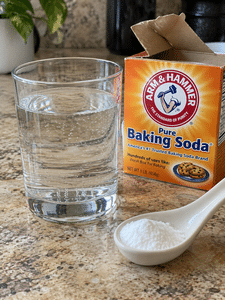
Combining honey with baking soda has become another frequently searched topic. The full guide explains the ingredients, preparation, and serving suggestions.
Honey Trick for Men Recipe
Readers looking for this particular variation can visit the complete Honey Trick for Men Recipe, where every step is explained in detail.
Canaan Honey Trick for Eyes
The Canaan Honey Trick for Eyes discusses another popular recipe that continues to generate curiosity among readers interested in traditional honey blends.
Honey Trick Recipe for Memory Loss
This article explores another variation frequently discussed online.
Canaan Honey Trick
The original Canaan Honey Trick article provides additional background and preparation ideas for this well-known honey mixture.
Honey and Cinnamon for Memory
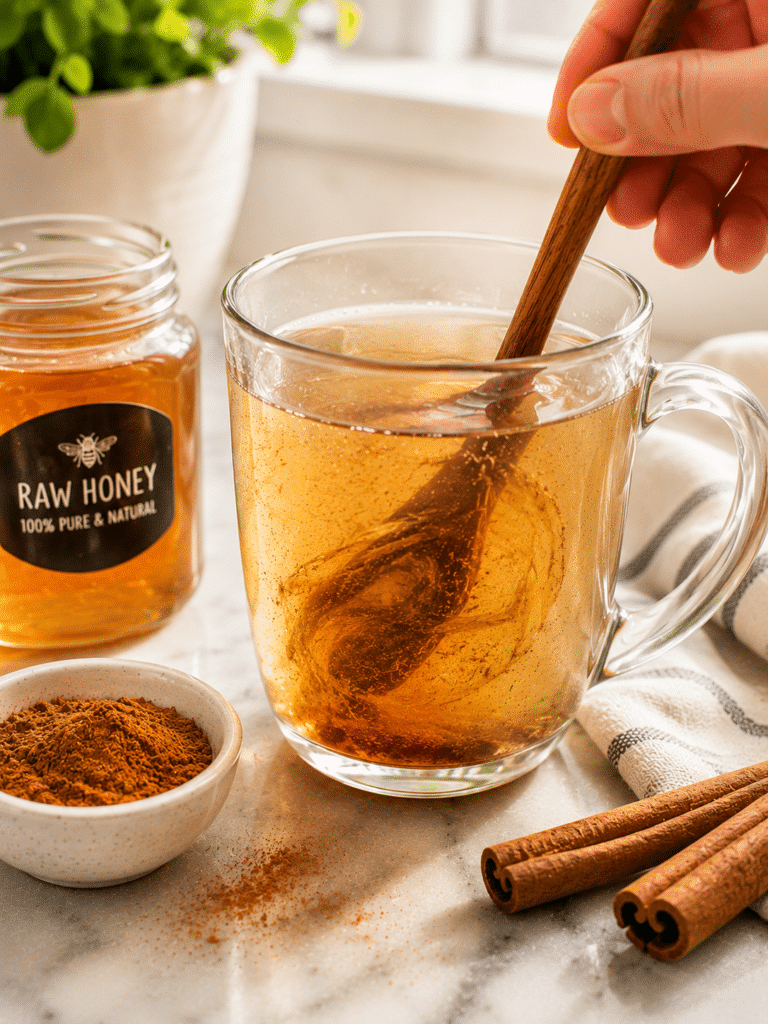
Honey and cinnamon have long been paired together in home kitchens because their flavors complement each other so well. The complete recipe can be found here.
Common Ingredients Found in Honey Recipes
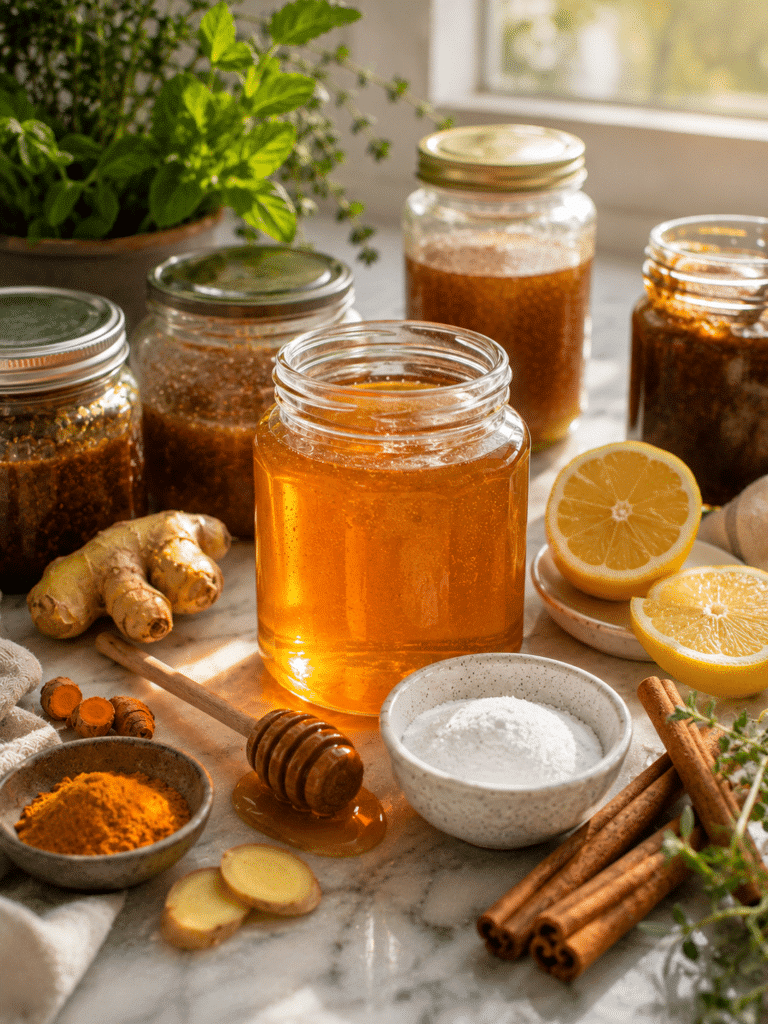
Although every recipe differs slightly, many rely on the same core ingredients.
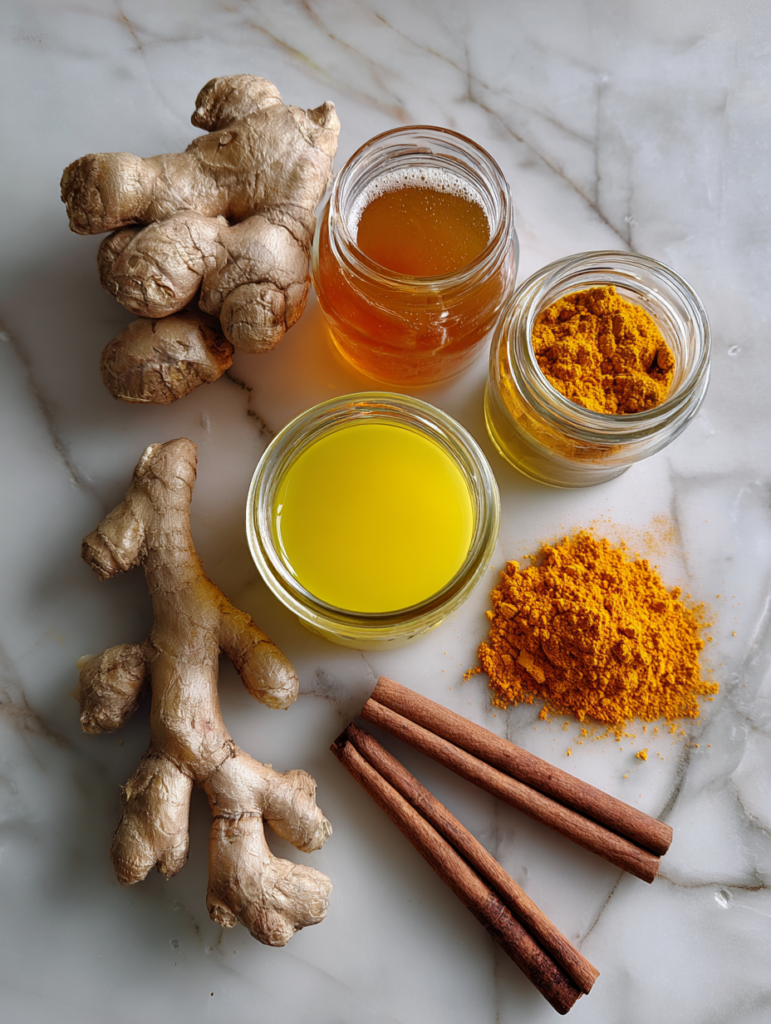
| Ingredient | Common Culinary Purpose |
|---|---|
| Honey | Natural sweetness and smooth texture |
| Cinnamon | Warm, aromatic spice |
| Lemon | Bright citrus flavor |
| Ginger | Fresh, mildly spicy taste |
| Turmeric | Earthy color and flavor |
| Garlic | Savory depth |
| Baking Soda | Included in selected traditional recipes |
How to Make Honey Recipes at Home
Most honey recipes follow the same simple process regardless of the ingredients.
Choose Quality Honey
Raw and filtered honey both work well. Choose a honey with a flavor you enjoy, since it provides the foundation for the finished recipe.
Measure Carefully
Use measuring spoons or a kitchen scale when possible. Small adjustments can noticeably change sweetness and consistency.
Mix Thoroughly
Stir until every ingredient blends smoothly. Powders such as cinnamon or turmeric may take an extra minute to fully incorporate.
Store Properly
Transfer the mixture to a clean glass jar with a tight-fitting lid. Keep it in a cool, dry place away from direct sunlight unless the recipe recommends refrigeration.
Adjust to Taste
Many honey recipes are highly customizable. You may prefer a brighter citrus flavor, a stronger spice profile, or a thinner consistency depending on how you plan to enjoy the mixture.
Tips for Working With Honey
- Warm crystallized honey gently by placing the jar in warm water instead of microwaving it.
- Use clean, dry utensils every time you scoop honey.
- Avoid overheating honey, which can change its flavor and texture.
- Pair honey with spices gradually until you reach a balance you enjoy.
- Taste as you mix rather than adding large amounts of spices at once.
Honey Recipe Safety
These recipes are intended for culinary enjoyment and reflect traditional preparations shared by many families and communities. They should not replace professional medical advice, diagnosis, or treatment.
Honey should never be given to infants younger than 12 months because of the risk of infant botulism. The U.S. Centers for Disease Control and Prevention provides additional guidance at CDC – Infant Botulism Prevention.